full stop
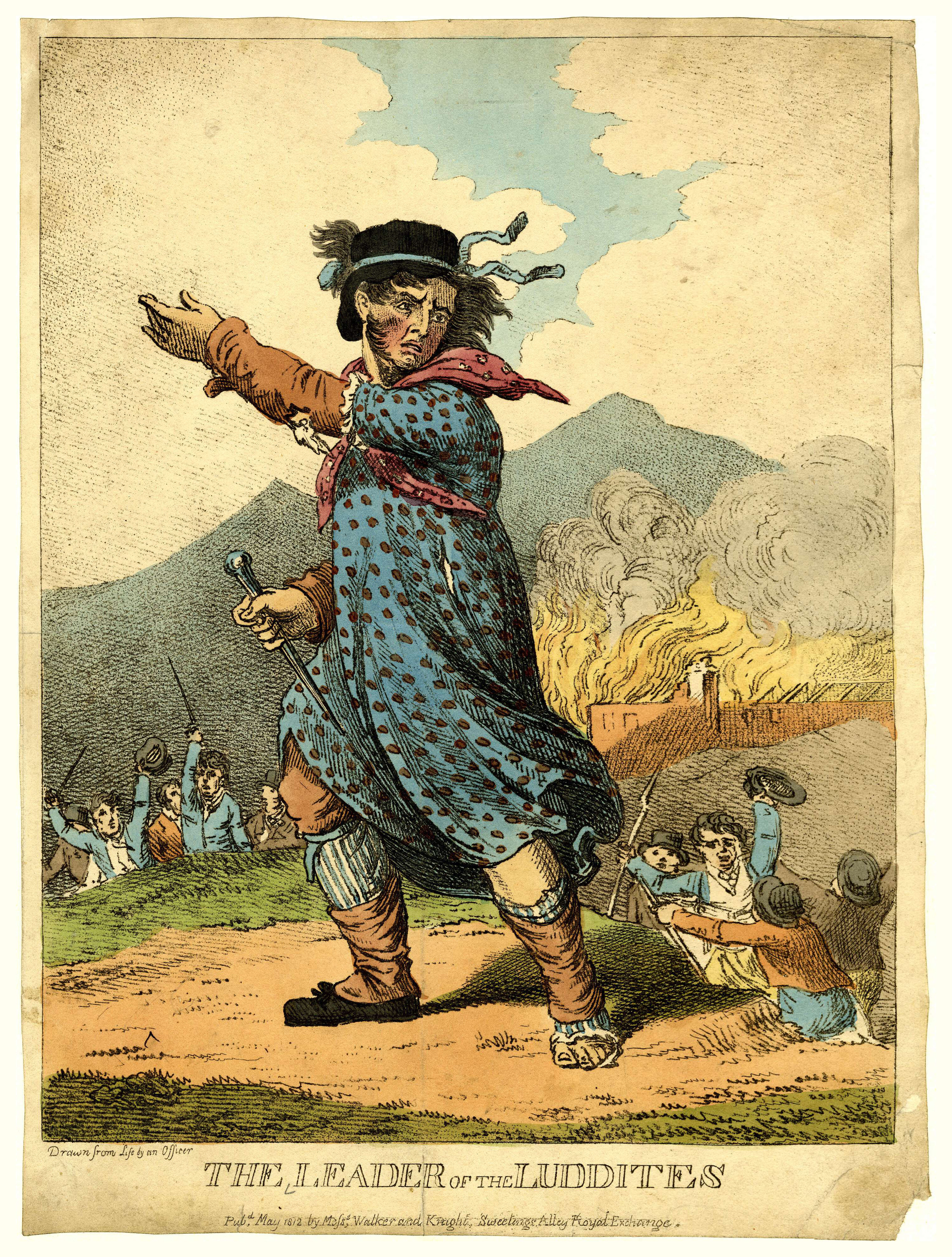
| *..*...**.*....*.*..*.*..*.*....**.*.*.*.* | Looking backwards, to read the future, is how we read The Machine Stops, today. My previous post attempted the same: looking back to 2047 to exploring how humanity expresses itself someplace deeper into the future. Blog posts possess a temporal fluidity: this post will never change1, but the way it will be read will. Luddites manipulated the social ICTs of their day in a similar manner, distrusting their use by the current authorities (informants paid by the Home Office), yet simultaneously crafting them in hidden, secret ways to communicate with like minds, resisting the loom and gig technologies condemning children to 70 hour workweeks, keeping the black lantern lit, sabotaging the corrupt authorities controlling ICTs today, in hopes that the ways of past exchanges would reign supreme once again, in the future. Looking backwards to see forwards often happens when technologies "disrupt" traditions that protect our humanity. The übercrawl is falling off the radar, now, needing recharging not from forwarded memes, but in search of another good story, audience need not apply. |
Thus we must see the years 1811-13 as a watershed whose streams run in one direction back to Tudor times, in another forward to the factory legislation of the next hundred years. The Luddites were some of the last Guildsmen, and at the same time some of the first to launch the agitations which lead on to the Labour Movement. In both directions lay an alternative political economy and morality to that of laissez faire. During the critical decades of the Industrial Revolution, working people suffered total exposure to one of the most humanly degrading dogmas in history — that of irresponsible and unlicensed competition — and generations of outworkers died under this exposure. It was Marx who saw, in the passage of the 10 Hour Bill (1847), evidence that for " the first time ... , in broad daylight the political economy of the middle class succumbed to the political economy of the working class."2 The men who attacked Cartwright's mill at Rawfolds were announcing this alternative political economy albeit in a confused midnight encounter.
Thompson, E. P. (1991). The making of the English working class.
Part III, Section XIV, Part iv., p. 435.
1 Final edit, January 12, 2023, @21:22.
2 K. Marx, Selected Works (1942), II , p. 439.